Studio
Why the studio doesn't smell of anything
No incense, no diffusers, no essential oils on the mist. It's the single most commented-on thing about the room, and the decision behind it is more practical than spiritual.

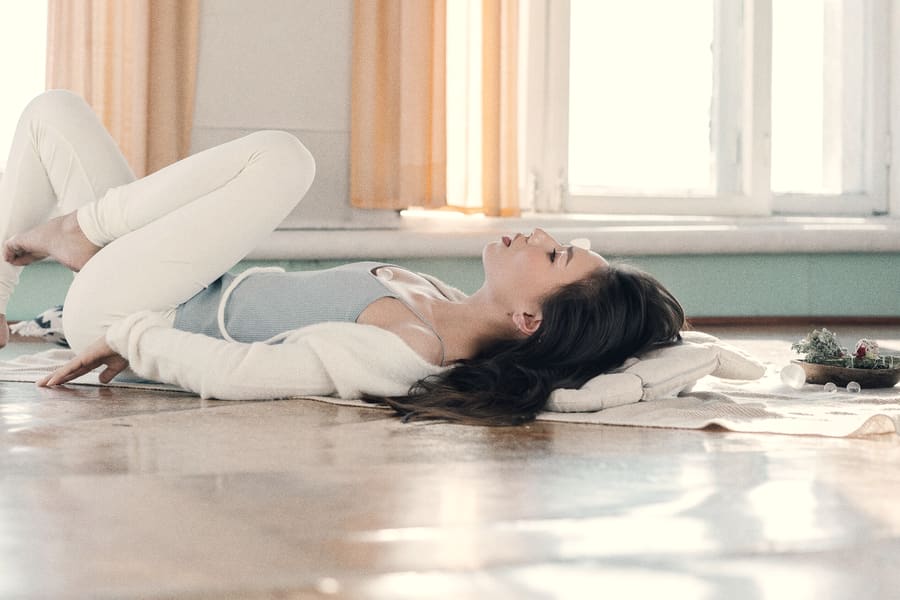
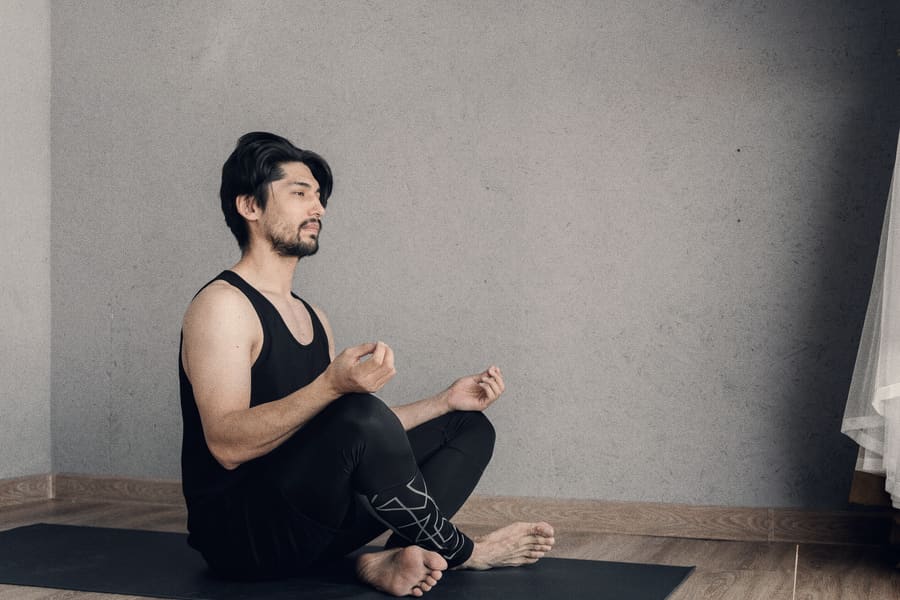
The comment we get most often on a first visit is not about the light, the floor, or the fourteen mats. It is some version of: it doesn't smell like a yoga studio.
That is deliberate, it took a while to hold the line on, and it is worth explaining.
What "smells like a yoga studio" usually means
Walk into most studios and you meet a specific accord: something citrus or eucalyptus from a diffuser, a base note of incense from earlier in the day, and cleaning product underneath both. It is not unpleasant. It is designed to signal calm before you have taken your coat off.
The trouble is that scent is not a neutral signal. It is a physiological input, and a fairly aggressive one.
Three reasons we don't
It excludes people, quietly
Somewhere between 20 and 30% of adults report adverse effects from fragranced products — headache, airway irritation, migraine. For people with asthma the figure is higher. Almost none of them will tell you. They will simply come once, feel slightly unwell, and not book again, and you will never know why.
A studio that runs a diffuser has decided, without asking, that this group is not its market. When we opened I did not want to make that decision on anyone's behalf, and I still don't.
Fragrance is the only design choice in a room that a visitor cannot opt out of once they have walked in.
It covers information you want
Scent in a practice room is almost always covering something: bodies, damp mats, yesterday's class, the building. The instinct to mask it is understandable and exactly backwards. If a room smells of thirty people, the answer is ventilation and a laundry cycle, not bergamot on top.
Removing the diffuser forced us to fix the actual problems. Blankets are laundered weekly rather than "when needed". Mats are wiped with unscented alcohol solution between every class. The window at the north end is cracked open in anything above 12°C, and there is a quiet extraction fan that runs for twenty minutes after the last class of each block.
The room now smells of wood, wool, and slightly of the bakery next door when the wind is right. That is what a clean room smells like. It turns out to be lovely, and it took a year to trust it.
It ages badly
The practical objection. Essential oils oxidise. Diffuser residue builds up on soft furnishings, and wool holds it especially well. A studio that has run a diffuser for three years does not smell of the oil it is currently using; it smells of every oil it has ever used, layered. There is no way to get it out of blankets and bolsters short of replacing them.
The one thing that does have a smell
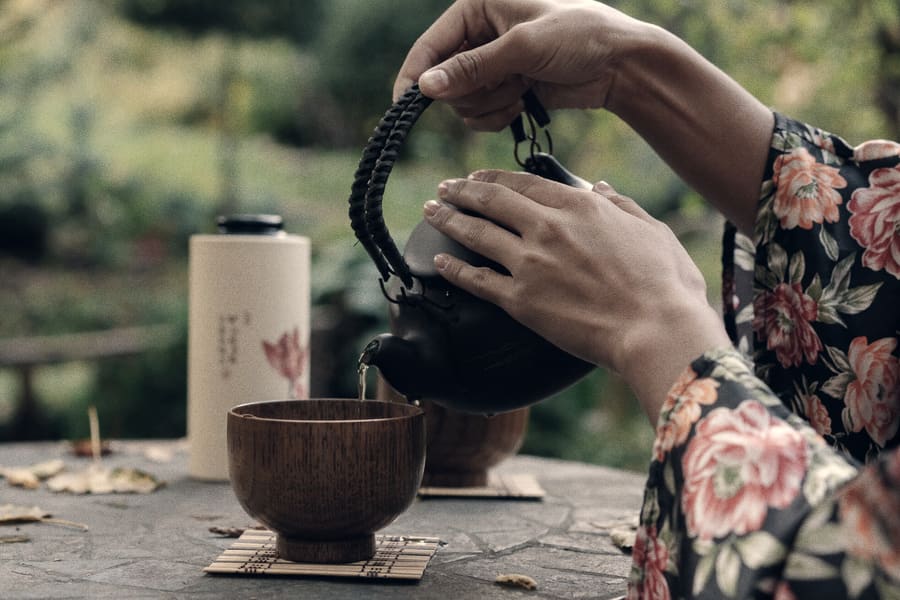
Tea. There is a kettle, three teas, and a jar of honey, and on a cold morning the room around the kitchen door smells faintly of it.
Nobody has ever complained.
If you are a studio owner reading this
The switch is easier than you think and the only hard part is the first month, when the room smells of nothing and you assume that means it smells of something bad. It doesn't. You have simply stopped being told what to feel on the way in, and so has everyone else.